Our Services
Professional chimney, air duct, and dryer vent services for Morrisville and surrounding areas. Every job starts with an honest assessment.
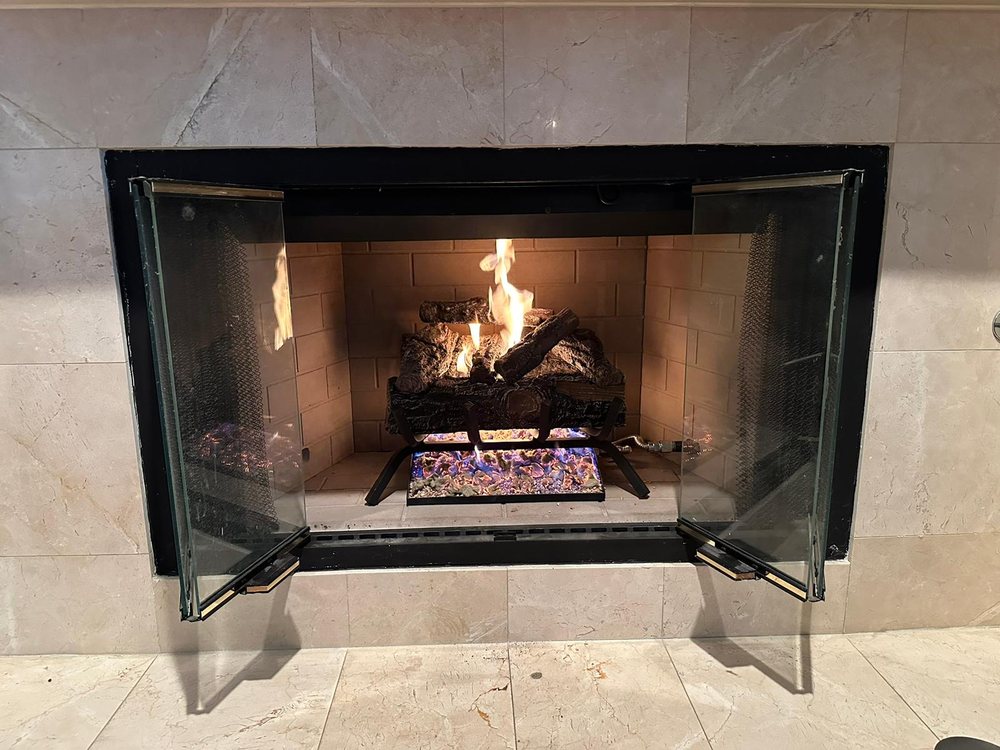
Chimney Sweep
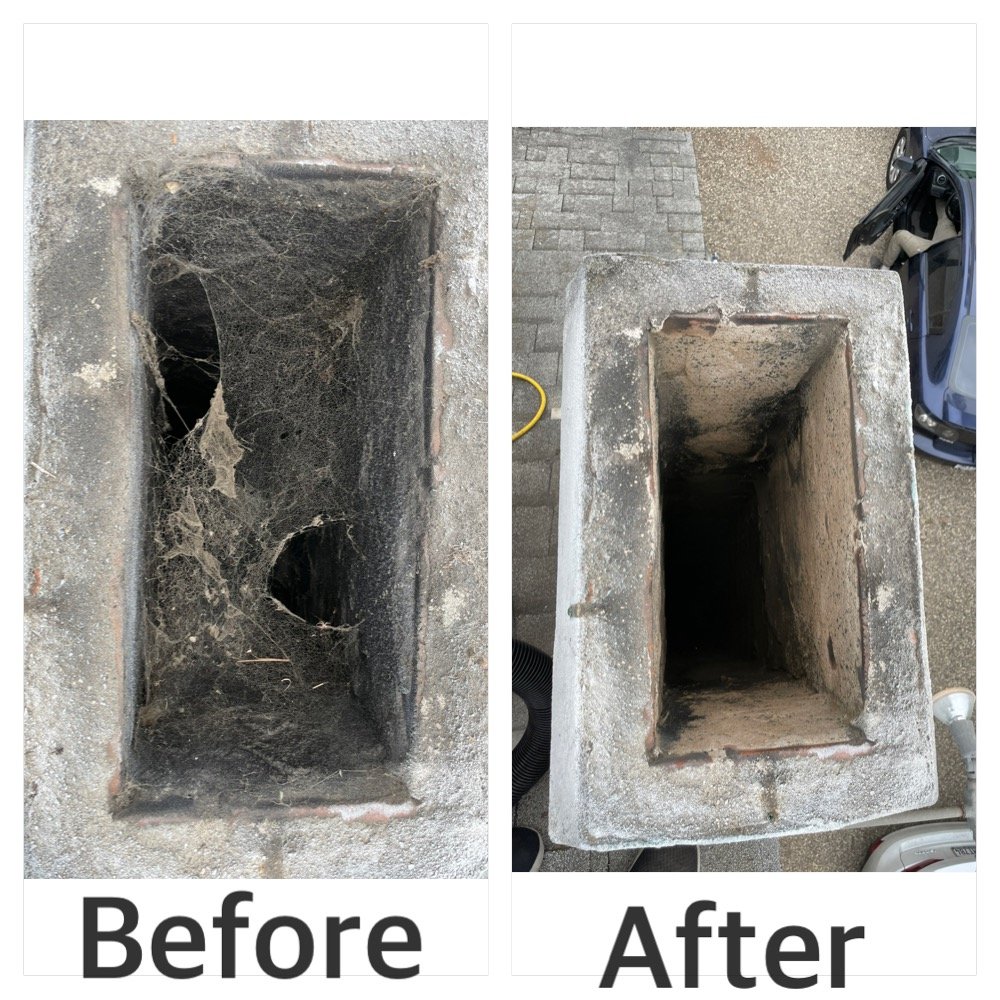
A chimney sweep removes soot, creosote, and blockages from your chimney flue. Over time, burning wood or gas creates deposits that restrict airflow and can become a fire hazard if left unchecked.
Why It Matters
- Reduces the risk of chimney fires caused by creosote buildup
- Improves draft and heating efficiency
- Removes animal nests and debris that block airflow
- Helps identify early signs of damage or deterioration
What's Included
- Full flue assessment prior to cleaning
- Professional-grade rotary brush cleaning
- Smoke shelf and damper cleaning
- Debris removal and cleanup
- Post-cleaning condition report
What to Expect
- 1Inspect the flue with a camera to assess creosote stage and identify blockages or damage
- 2Contain the fireplace opening with drop cloths and a professional vacuum to keep your home clean
- 3Sweep the full flue using rotary brushes matched to your flue size and liner type
- 4Clean the smoke shelf, damper, and firebox
- 5Remove all debris and provide a written condition report
Air Duct Cleaning
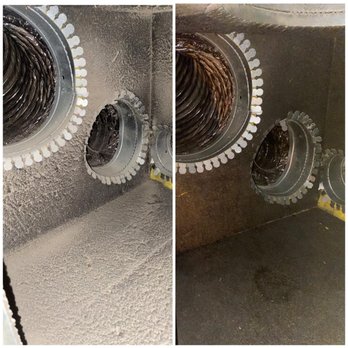
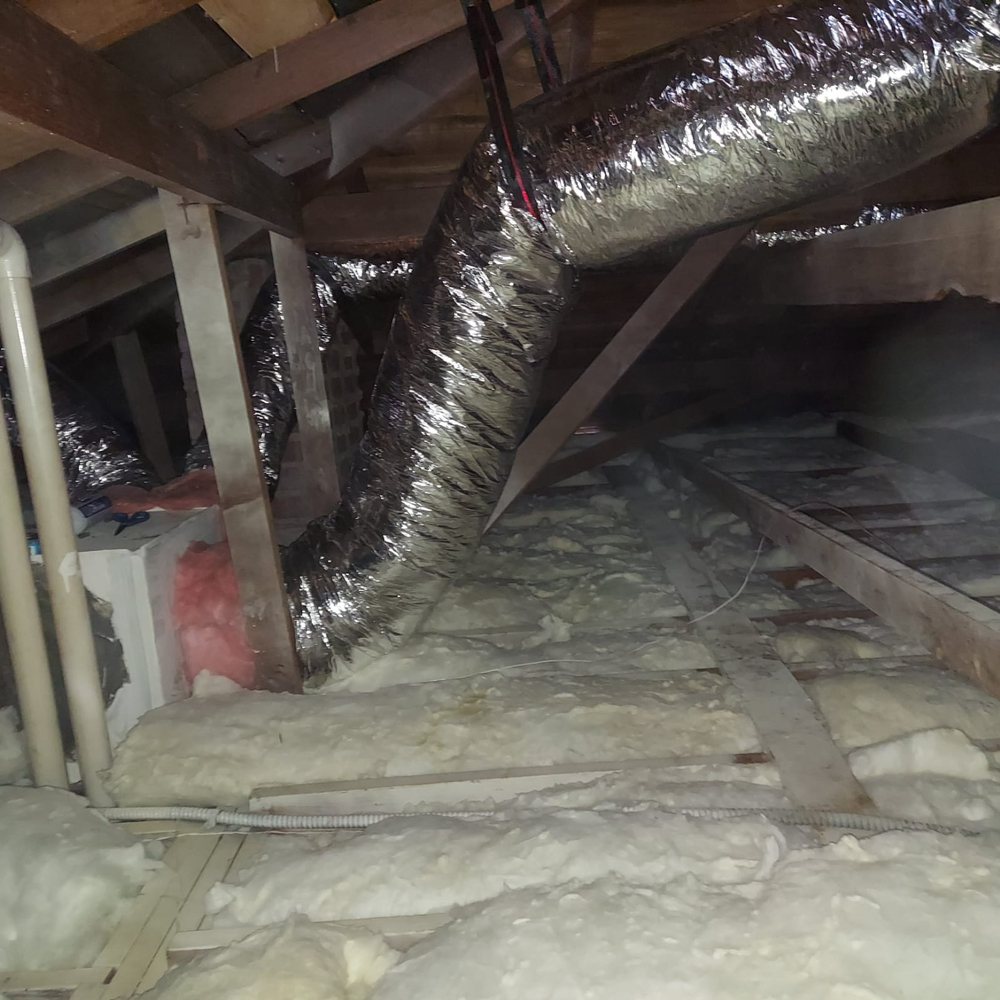
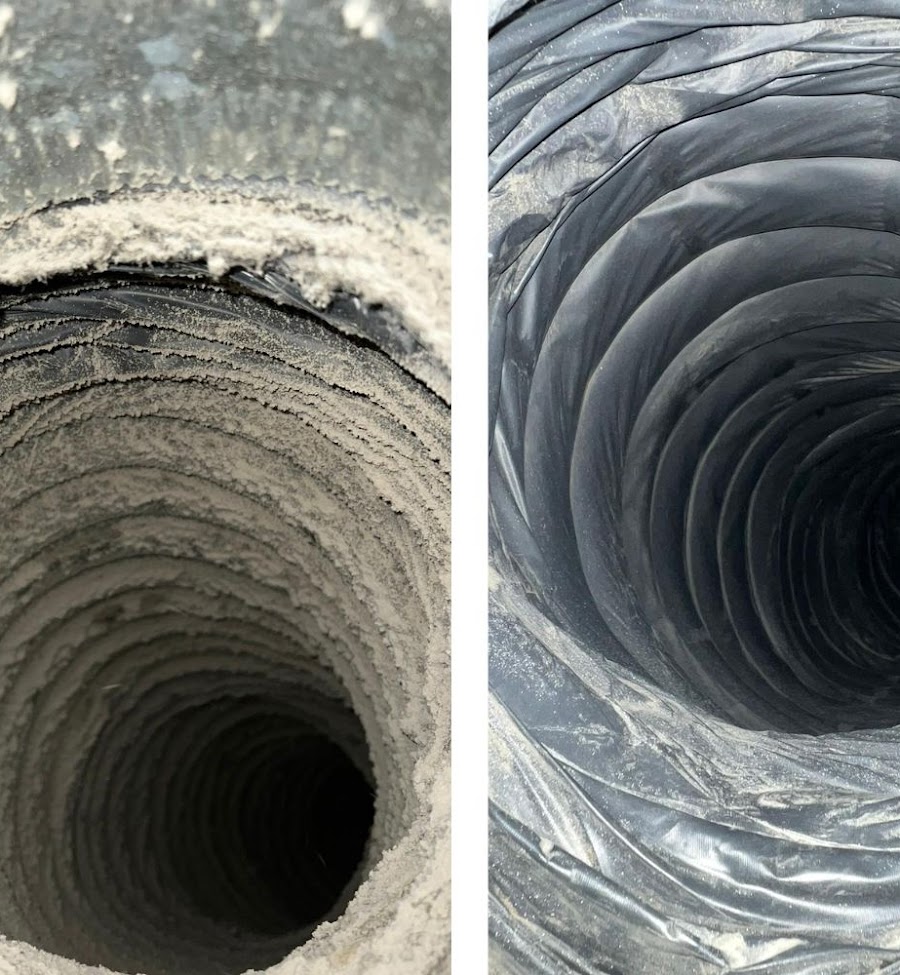
Air duct cleaning removes dust, dirt, allergens, and other debris from your HVAC ductwork. Most homes accumulate significant buildup over the years, which circulates through your living spaces every time the system runs.
Why It Matters
- Improves indoor air quality by removing allergens and dust
- Increases HVAC efficiency, potentially lowering energy bills
- Reduces dust accumulation on surfaces throughout your home
- Helps eliminate musty odors from the ventilation system
What's Included
- Full system inspection with camera
- Professional vacuum extraction
- Supply and return vent cleaning
- Main trunk line cleaning
- System performance check
What to Expect
- 1Inspect all supply and return vents, trunk lines, and the air handler with a camera
- 2Attach a commercial vacuum to the main trunk line to create negative pressure
- 3Clean each vent register and branch line using compressed air tools and rotary brushes
- 4Agitate and clean the main trunk lines from the inside out
- 5Sanitize the system if mold or biological growth is detected, then run a performance check
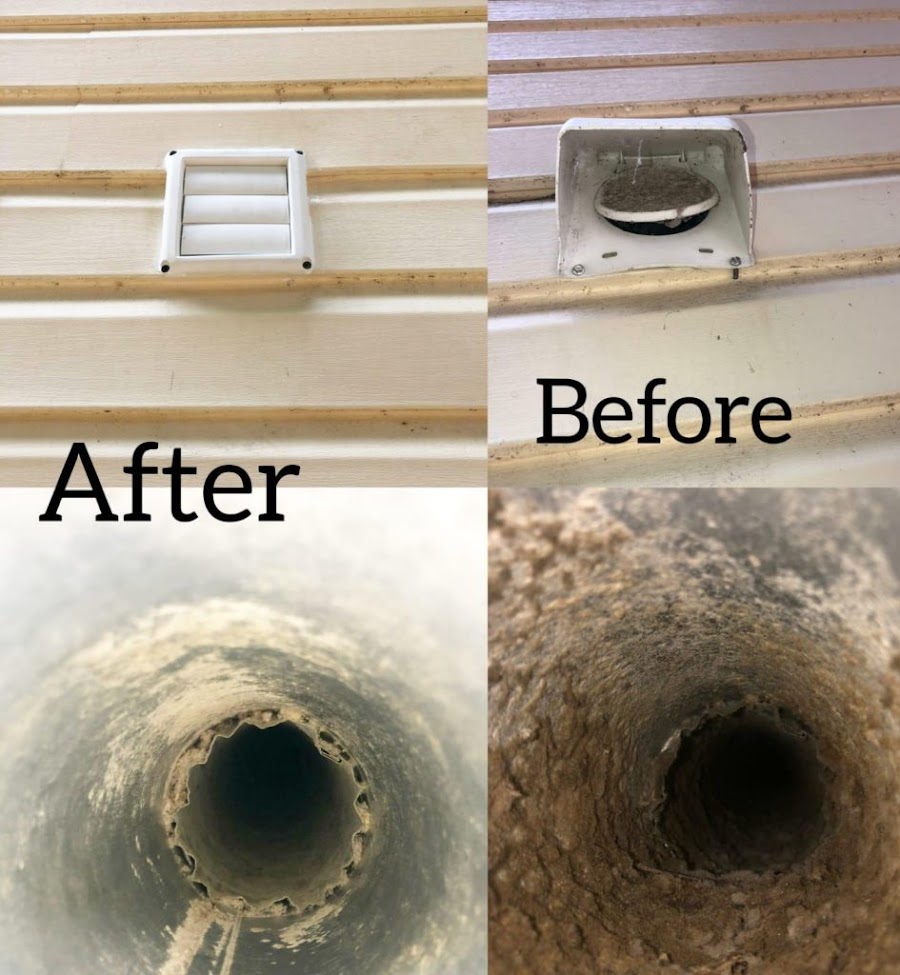
Dryer Vent Cleaning
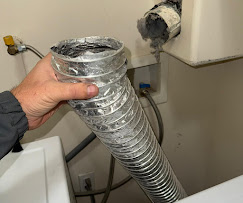
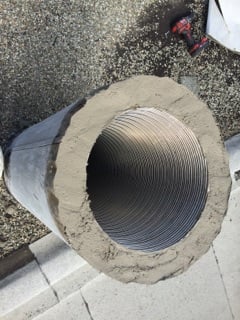
Dryer vent cleaning removes lint and debris from the exhaust duct that runs from your dryer to the outside of your home. Clogged dryer vents are a leading cause of residential fires and significantly reduce dryer performance.
Why It Matters
- Drastically reduces the risk of dryer-related house fires
- Cuts drying time and reduces energy consumption
- Extends the lifespan of your dryer
- Prevents moisture issues and mold growth
What's Included
- Full vent line inspection
- Rotary brush and high-pressure air cleaning
- Lint trap area cleaning
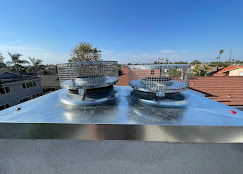
- Exterior vent hood inspection
- Airflow test before and after
What to Expect
- 1Inspect the full vent run from the dryer to the exterior wall or roof hood
- 2Measure airflow before cleaning to establish a baseline
- 3Use a rotary brush system to break loose compacted lint throughout the entire duct
- 4Blow loosened debris out with high-pressure air while vacuuming from the exterior
- 5Clean the lint trap housing and verify improved airflow with a post-service test
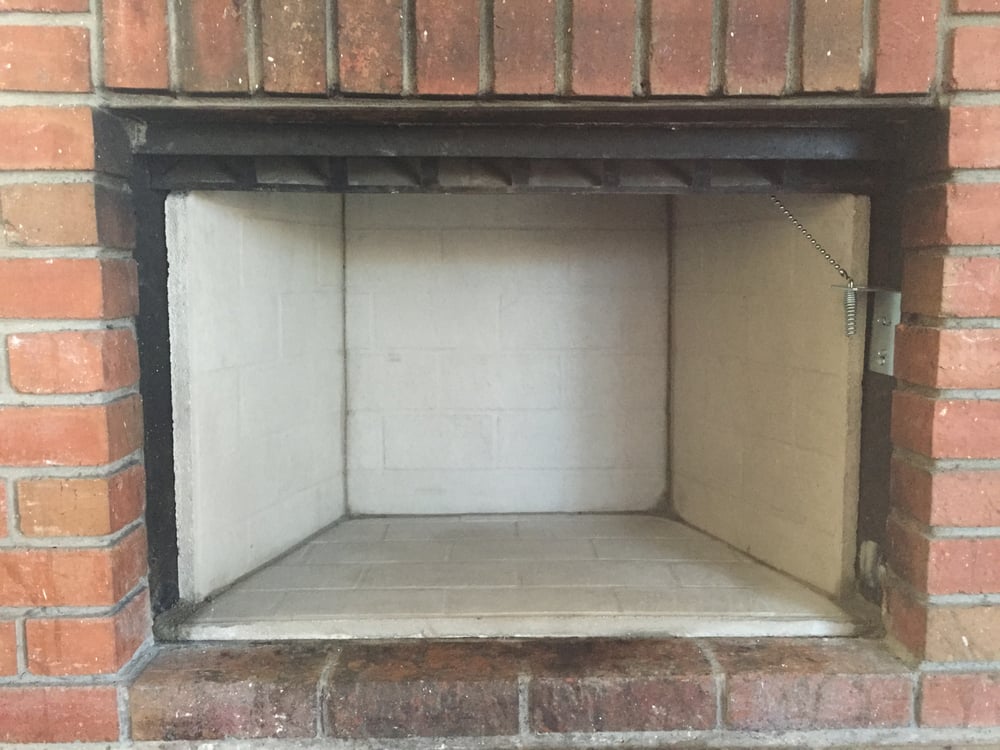
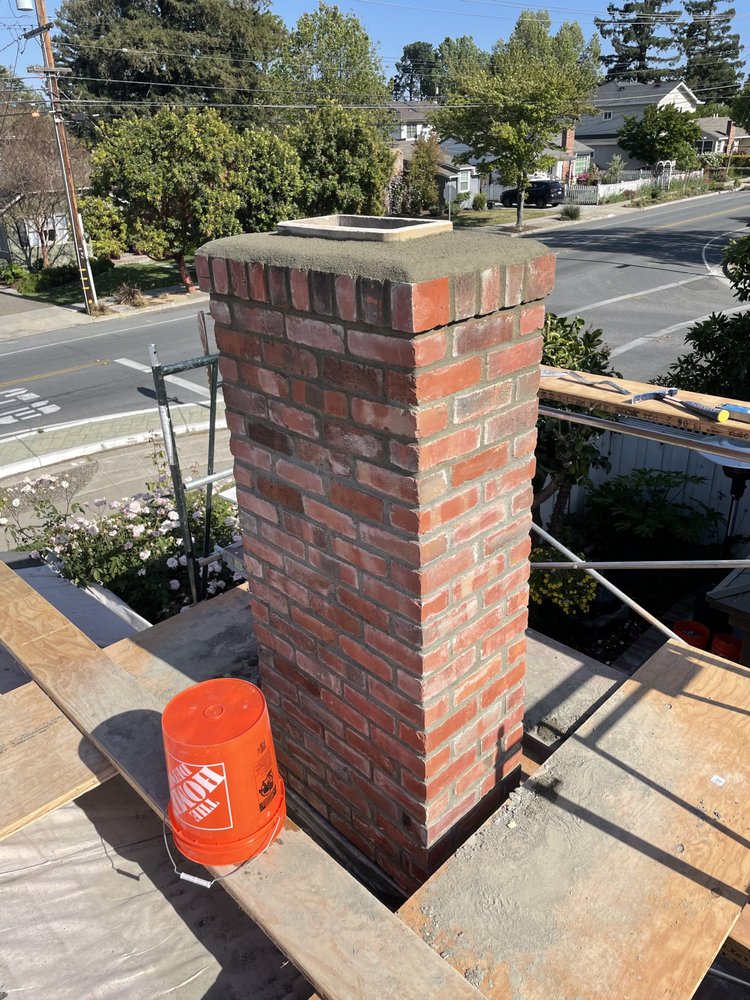
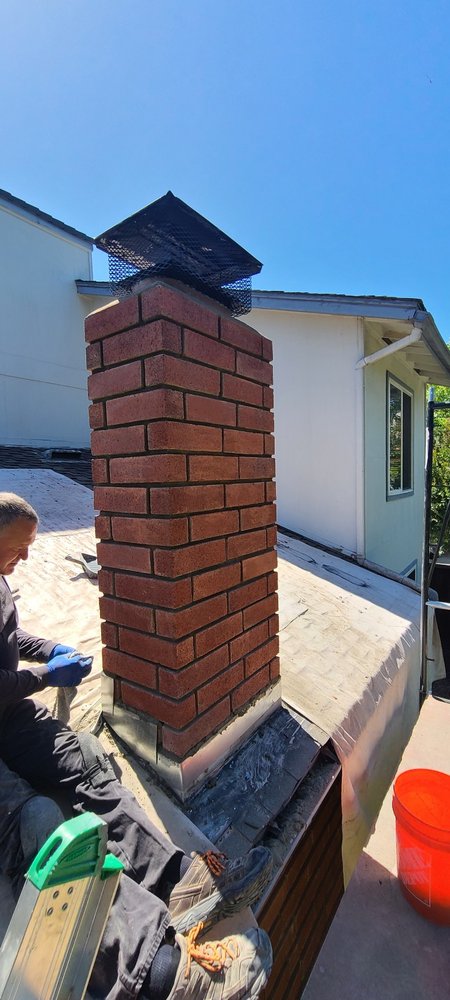
Chimney Inspection
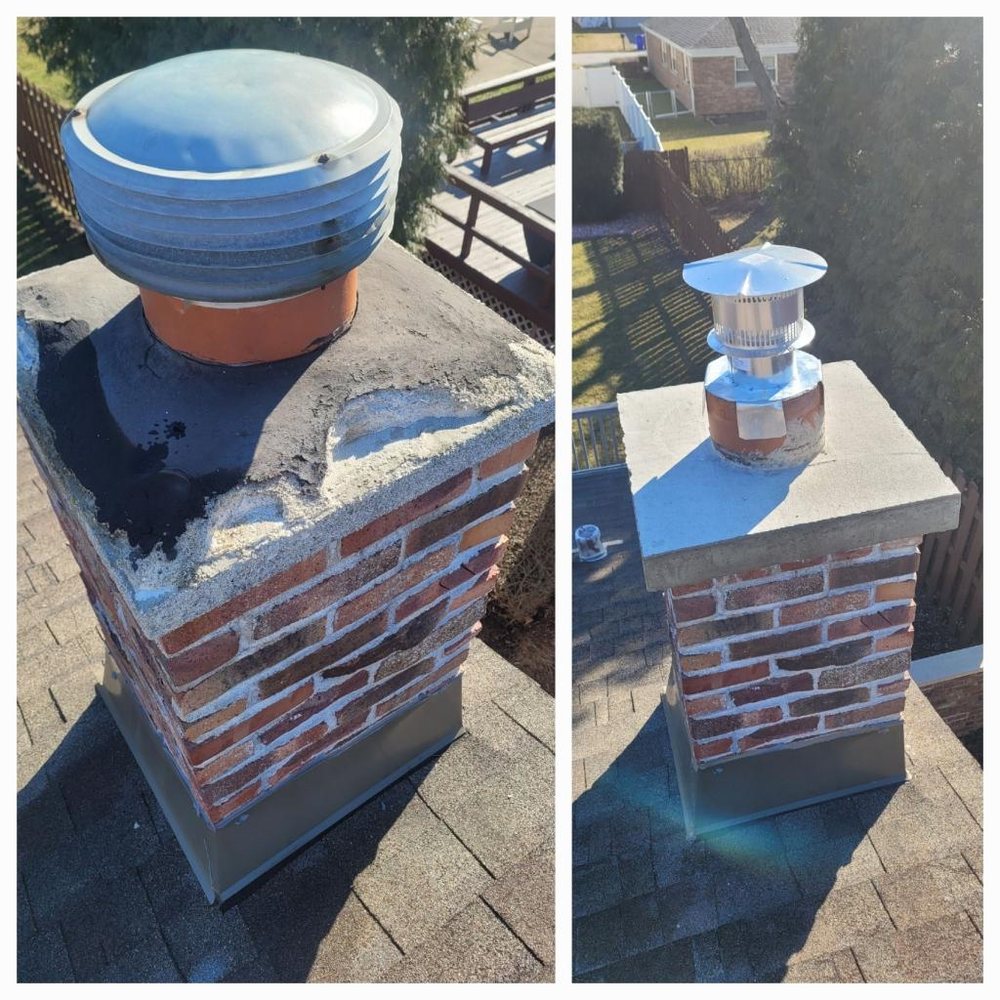
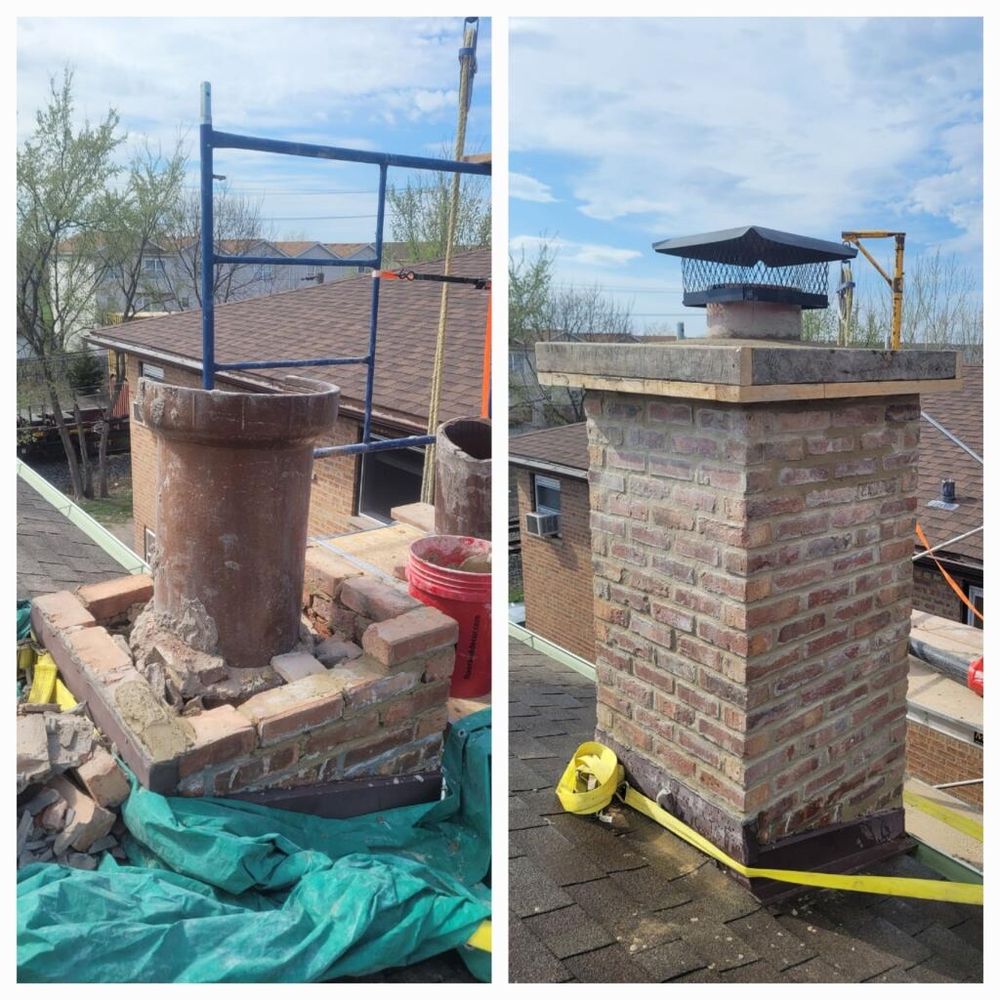
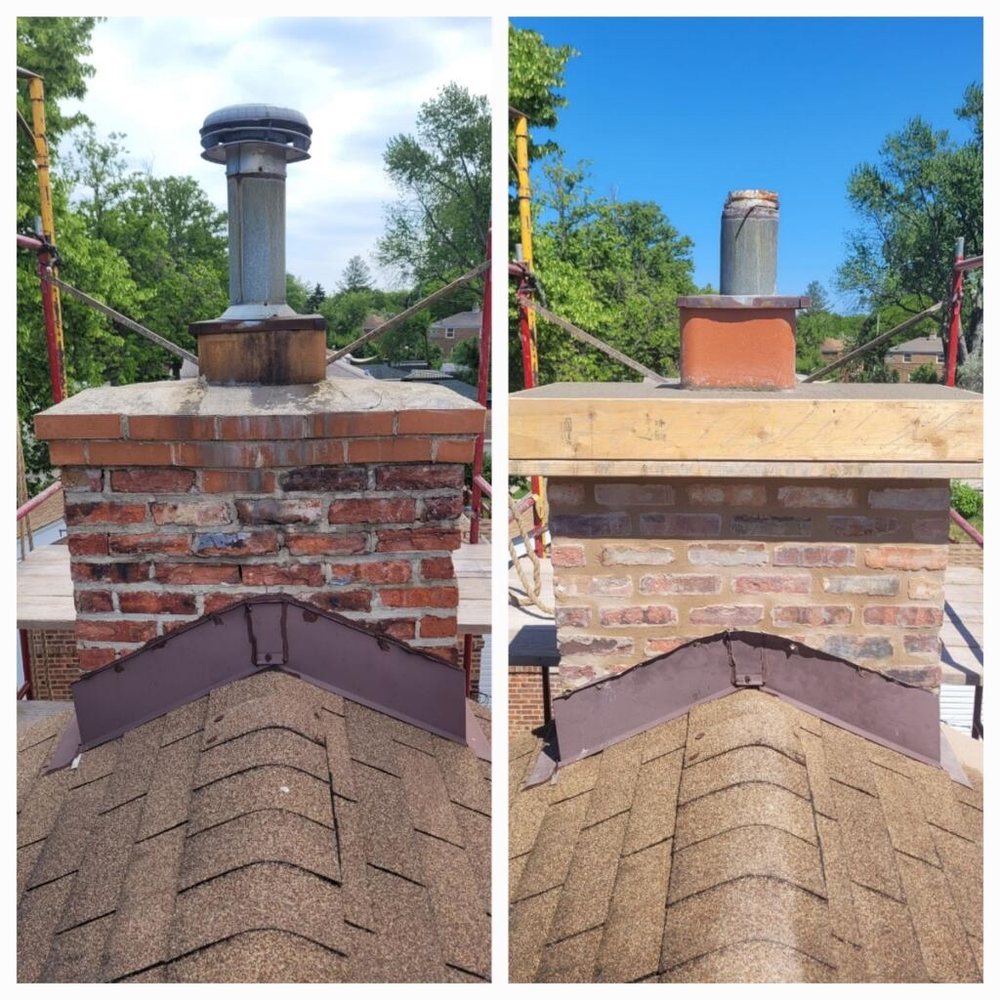
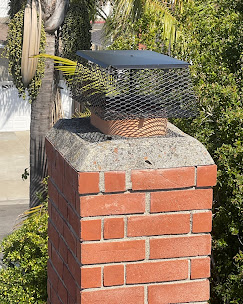
A professional chimney inspection identifies structural issues, cracks, blockages, or deterioration that could affect safety and performance. We recommend annual inspections even if you don't use your fireplace regularly.
Why It Matters
- Identifies cracks or gaps that could allow carbon monoxide leaks
- Catches structural damage before it becomes a major repair
- Required before buying or selling a home in many cases
- Ensures your chimney meets current safety standards
What's Included
- Exterior chimney condition assessment
- Interior flue camera inspection
- Crown and cap evaluation
- Flashing and mortar joint review
- Written inspection report with photos
What to Expect
- 1Assess the chimney exterior from the roof or ground for visible cracking, spalling, or crown damage
- 2Run a camera through the full flue to check for creosote buildup, cracks, and blockages
- 3Inspect the chimney crown, cap, and flashing for water intrusion points
- 4Evaluate the damper, smoke shelf, and firebox condition
- 5Provide a written report with photos and clear recommendations — no scare tactics