November 13, 2026
How often should a chimney be swept in North Carolina?
A fireplace in regular use should be swept about once a year. That single rule covers most homes in North Carolina, and the exceptions come down to how much you burn, what you put in the firebox and how the fire behaves when it is lit.
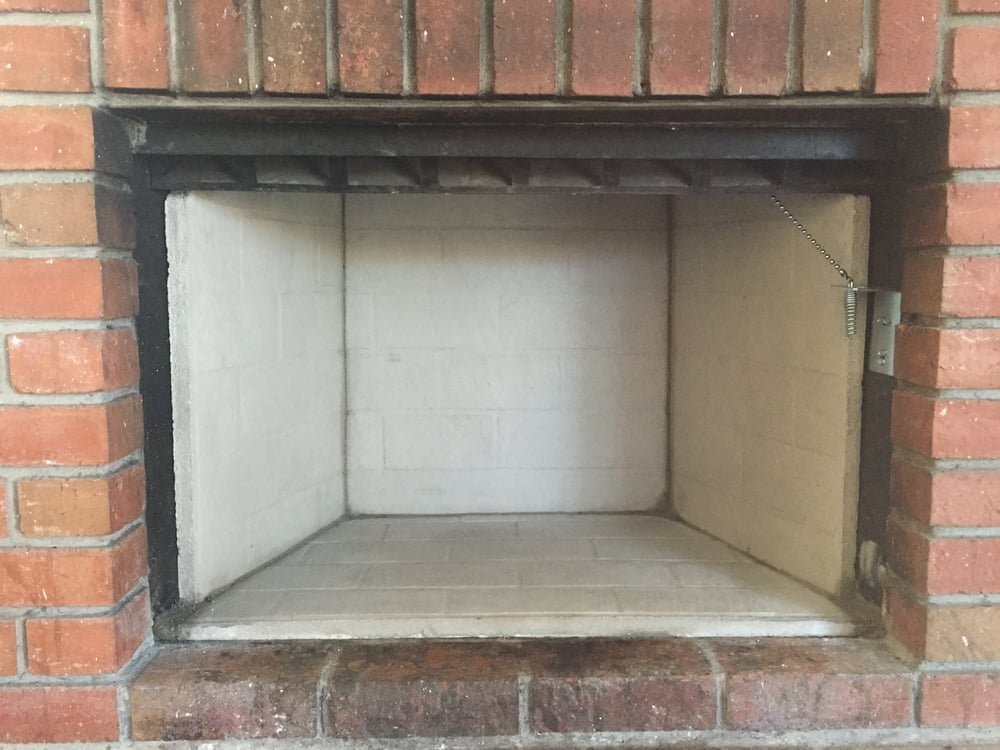
Where the yearly rule comes from
Creosote is the residue left behind when wood burns, and it collects on the inside of the flue a little at a time. A chimney is not dirty because one fire was smoky; it is dirty because a season of fires left a layer, and the next season adds to it. Sweeping once a year keeps that layer from becoming thick enough to matter.
On a masonry chimney the sweep also clears out what falls in from outside over the summer. Leaves, twigs and nests find their way onto the cap and down the flue, and they sit there until someone takes them out. A flue blocked at the top behaves like a flue that is too small, which is why a fireplace can smoke badly in the fall after working fine the winter before.
What you burn changes the schedule
Hardwood that has dried through the summer burns hot and leaves less behind than softwood holding a lot of moisture. Wood that is still damp spends part of the fire's heat driving the water off, which cools the smoke and lets more of it condense on the flue walls. If your wood has not had a full season under cover, expect more deposit than a neighbour burning dry wood.
Prepared fuels behave differently again, and some leave a soft, fluffy deposit rather than a hard one. It still needs to come out. The question a sweep answers is not whether there is deposit, but how much there is and what kind.
How you burn matters as much as what you burn
A hot fire with the damper open sends smoke up the flue quickly, and less of it has time to settle. A fire that is damped down to last the evening smoulders instead, and smouldering smoke is cool, slow and sticky. Two homes on the same street, burning the same wood, can end the season in very different condition for that reason alone.
Loading the firebox and then closing the air down is a common habit, and it is the one that builds the sticky second stage of creosote fastest. If you like an overnight fire, it is worth having the flue looked at rather than assuming the yearly sweep covers everything.
Signs it is time, whatever the calendar says
Smoke that drifts into the room when you light a fire, a smoky smell in the house on a warm day, soot on the hearth, or a fire that is hard to keep going all point the same way. So does a flue that has not been looked at since you moved in, which is common in a house that changed hands in the spring.
A sweep is a small job when it is done on time. Waiting until the fireplace is needed, in the middle of a cold week, is when the schedule gets tight and the surprises show up.
What a sweep removes, and what it checks
The sweep takes soot and creosote off the flue walls, clears the smoke shelf and firebox, and bags the debris out of the house. On the way through, the firebox, damper and smoke shelf get a look, and the crown, cap and flashing are checked from the roof.
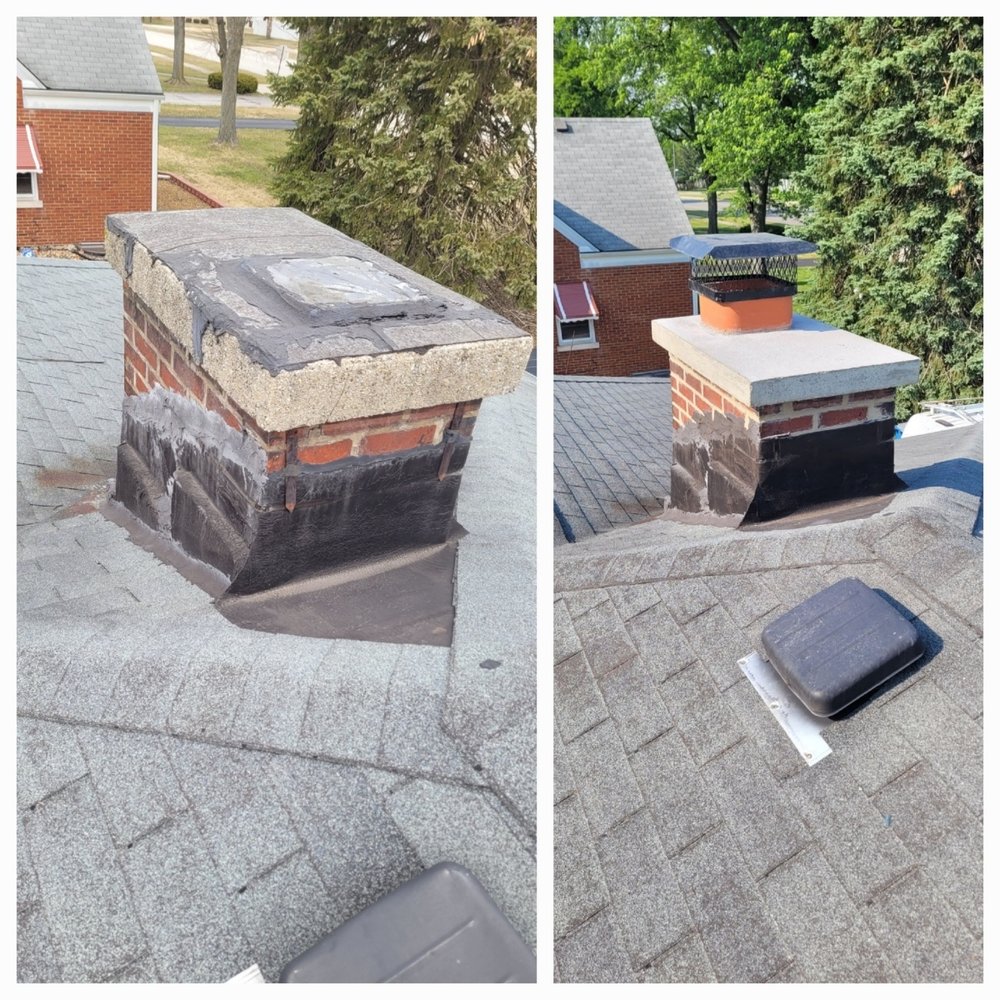
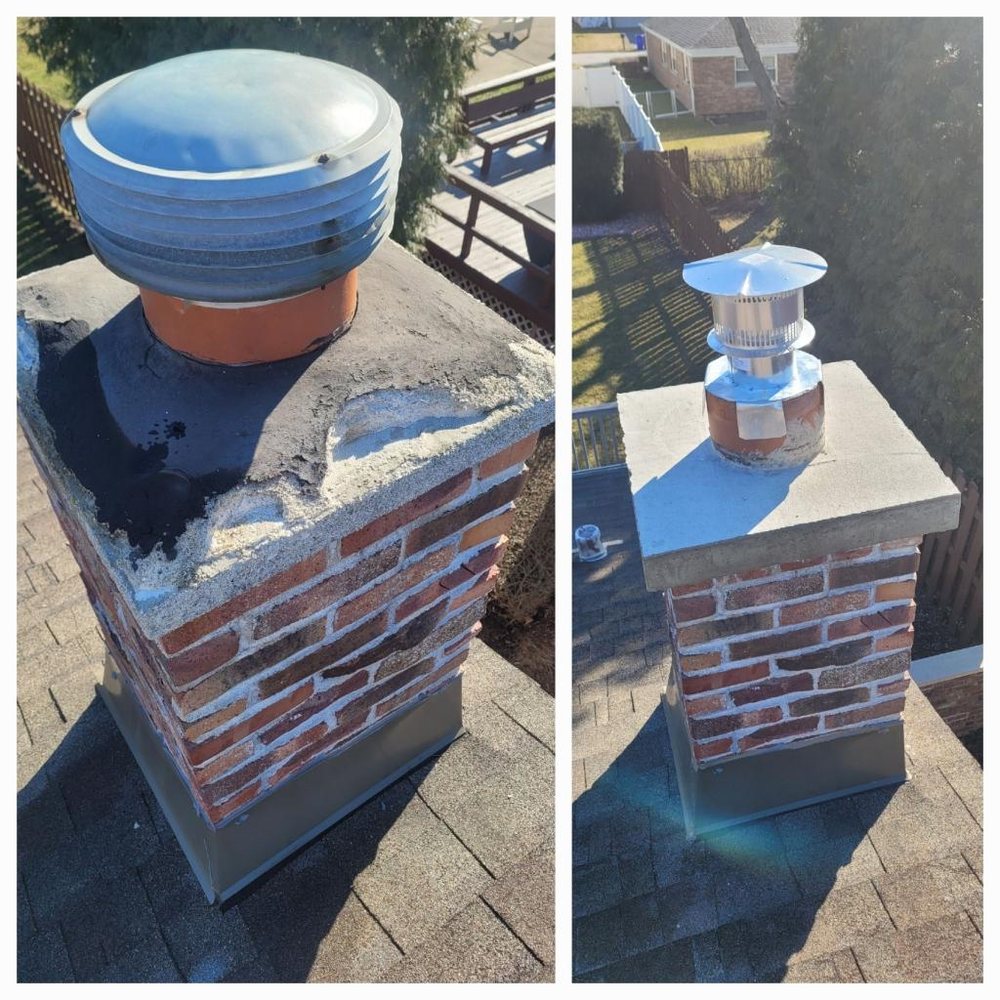
That check is the part people forget. A sweep is the moment when a cracked crown or loose flashing is easy to spot, and it is far easier to deal with a hairline crack in the fall than a water problem in the spring.
Gas fireplaces and inserts
A gas fireplace does not produce creosote, but it still needs attention. Dust, pet hair and spider webs collect in the firebox and around the burner, and a vent that has run for a season can hold debris that changes how the flame looks and how the unit starts.
An insert works the same way. The flue it vents into still needs to be clear, and a blocked flue will make a gas unit burn poorly or shut itself off. If you converted a wood fireplace to gas, the old flue is still part of the system, and it is worth having it checked rather than assuming the change removed the need.
When once a year is not enough
If you burn several evenings a week through the winter, or you know the wood has been damp, a single yearly sweep may not keep up. A flue with heavy deposit can need a second visit or a different method, especially where the deposit has gone glossy and hard.
The practical approach is to have the flue looked at once a year and let the condition set the schedule. Some fireplaces are fine on that rhythm for a long time. Others need attention twice, and the sweep is where you find that out.
Common questions
Does a gas fireplace need sweeping?
It needs checking rather than sweeping. Gas units do not create creosote, but dust and debris collect in the firebox and the flue still has to be clear.
Can I sweep my own chimney?
You can buy brushes, but the part that matters is knowing what you are looking at. A sweep includes a look at the flue, damper and exterior, which is hard to do from the hearth.
Is a sweep the same as an inspection?
No. A sweep is the cleaning. An inspection is a check of the chimney condition, and a Level 2 adds a camera scan of the flue.
Request an Estimate
Tell us what you are seeing and we will follow up with a time. We are open Sunday through Friday 8 AM to 5 PM and Saturday 9 AM to 5 PM.