
November 13, 2026
Signs your dryer vent needs cleaning
If clothes take two cycles to dry and the top of the dryer feels hot, the vent is the first thing to check. Lint builds up in the exhaust duct over time, and those two signs usually appear before anything else does.
Longer drying times
A dryer moves a large volume of air through the drum and out the exhaust. When the duct narrows with lint, the air cannot leave as fast, so moisture stays in the drum and clothes come out damp. The change is gradual, which is why people adjust without noticing: first a little longer, then a second cycle on towels.
Drying time is the most reliable signal there is, because it follows the airflow directly. If a load that used to finish in one cycle now needs two, the vent is worth checking before the dryer itself is blamed.
Heat where it should not be
A dryer that cannot push air out will run hotter than it should, and that heat shows up on the cabinet. The top of the machine feels warm to the touch, the laundry room gets stuffy, and clothes come out hot rather than simply dry.
This is the point that matters most. Lint is what a vent fire feeds on, and heat is what it needs to start. A warm cabinet and a blocked duct belong together, and they are a good reason to stop using the dryer until the duct is cleared.
A smell in the laundry room
Warm, damp lint sitting in a duct has a smell: musty at first, then faintly scorched as the cabinet runs hotter. If the laundry room smells like a hot iron when the dryer is running, the vent is the place to look.
The smell can also come from the lint trap housing and the space behind the dryer, where lint collects out of sight. Both get cleaned as part of a vent cleaning, which is why a visit often clears an odour that cleaning the machine did not touch.
Lint around the outside hood
The outside hood is the easy end to inspect. Lint packed around the flap, a flap that does not open fully, or a screen coated in fuzz all mean the duct behind it is filling up. A hood that stays shut works like a partial blockage even when the duct itself is clear.
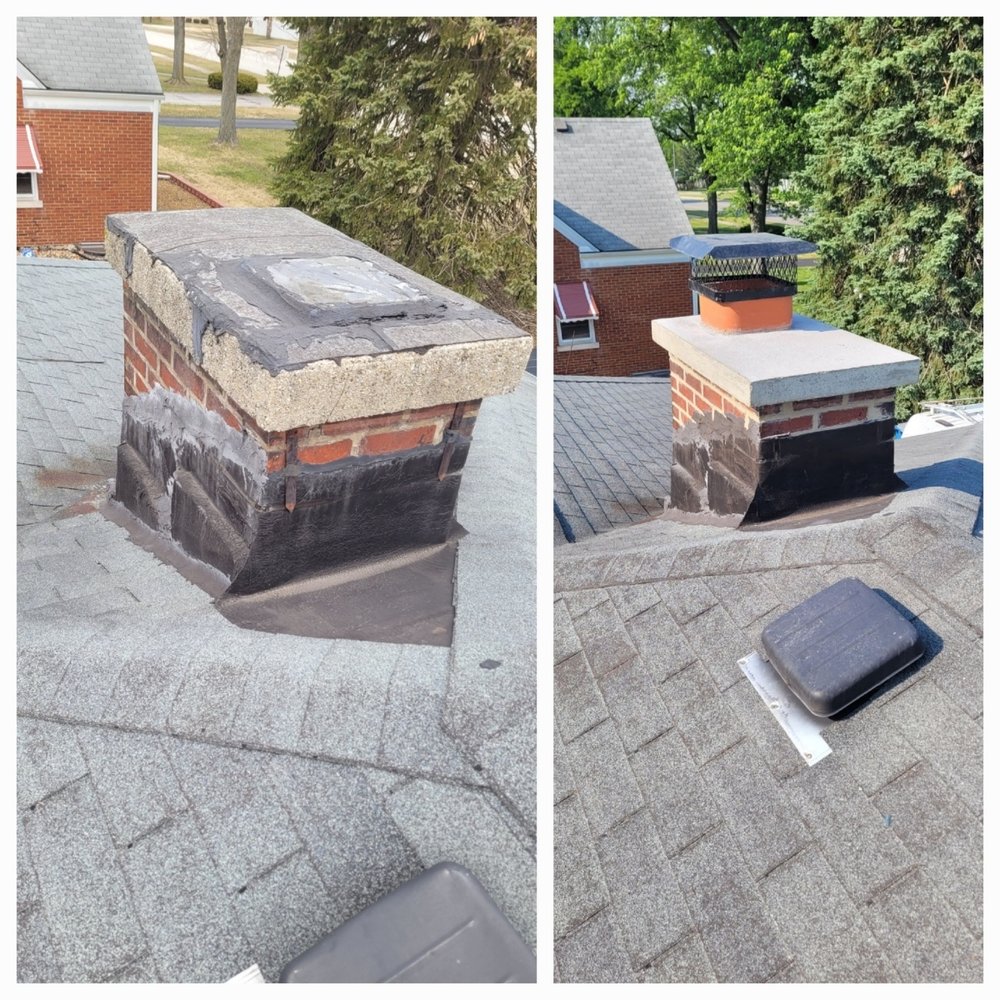
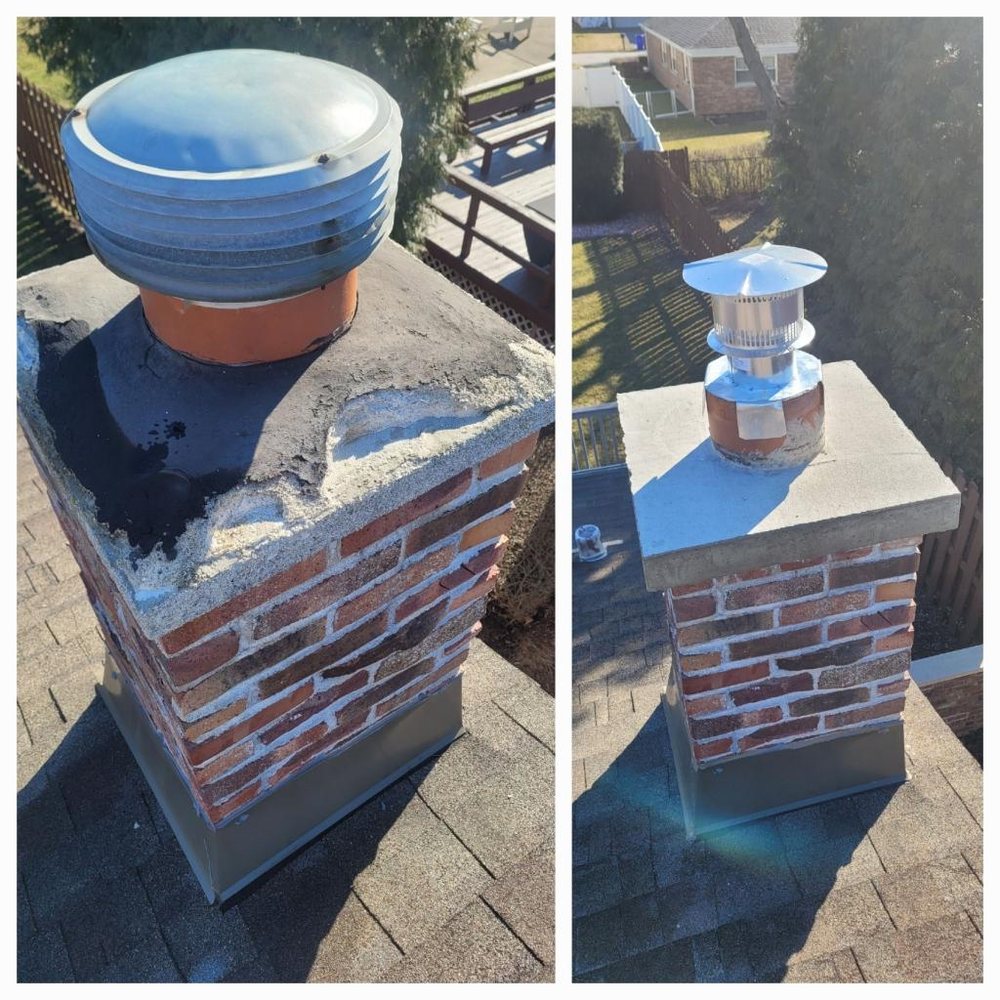
Leaves and small branches collect around roof vents as well, particularly on homes with mature trees. A vent that exits through the roof is harder to see from the ground, which is one reason roof runs are worth checking on a schedule rather than by eye.
Long runs and roof exits
Many homes in the Triangle have the laundry in the middle of the house or on a second floor, and the duct travels up and out through the roof. A long run with a bend or two is where lint packs hardest, and it is also the hardest place to see a blockage from either end.
Those runs also collect condensation in a humid summer. Damp lint clings to the duct wall instead of blowing through, so a long run can clog faster than a short one that sees the same use. The same layout explains why two homes with the same dryer can be in very different condition.
What a cleaning covers
A cleaning runs the full length of the duct, not just the first few feet. A rotary brush breaks the lint off the walls, and a vacuum pulls it out at the exterior end. The lint trap housing and the space behind the dryer are cleared, and the outside hood is checked so the flap moves freely.
Airflow is measured at the start and end of the visit, which tells you more than a guess about how much changed. If the duct is old and crushed, or the run has more bends than it should, you will hear about that too, because no amount of cleaning fixes a duct that was installed badly.
When to stop using the dryer
A dryer running hot because the vent is restricted is the one case where waiting is not a neutral choice. If the cabinet feels hot to the touch, the laundry comes out hot rather than simply dry, or the outside hood is packed with lint, stop using the machine until the duct is cleared and use another way to dry laundry in the meantime.
Once the duct is clear, the change is usually obvious within a load or two: shorter cycles, a cooler cabinet and less lint in the trap housing. If drying times stay long after a cleaning, the duct may be crushed behind the machine or the run may be longer than the blower can handle, and both are worth knowing about.
Common questions
How often should a dryer vent be cleaned?
Once a year is a reasonable starting point for a household that runs laundry regularly. Long runs, heavy use or pets can call for more often.
Can I clean it with a store-bought brush kit?
A short straight run can sometimes be reached that way. Long runs with bends, or ducts that exit through a roof, are usually beyond what a hand kit can clear.
Does a clean vent really change drying time?
It often does, because a clear duct lets the moist air leave the drum. We measure airflow before and after so you can see the difference.
Request an Estimate
Tell us what you are seeing and we will follow up with a time. We are open Sunday through Friday 8 AM to 5 PM and Saturday 9 AM to 5 PM.