November 13, 2026
How humid summers in the Triangle affect chimneys and vents
Humid summer air leaves masonry and ductwork damp for months, and that moisture sits behind most of the wear we find in the fall. A chimney that sat unused through a wet summer is the one most likely to smell musty or draw poorly on the first cold night.
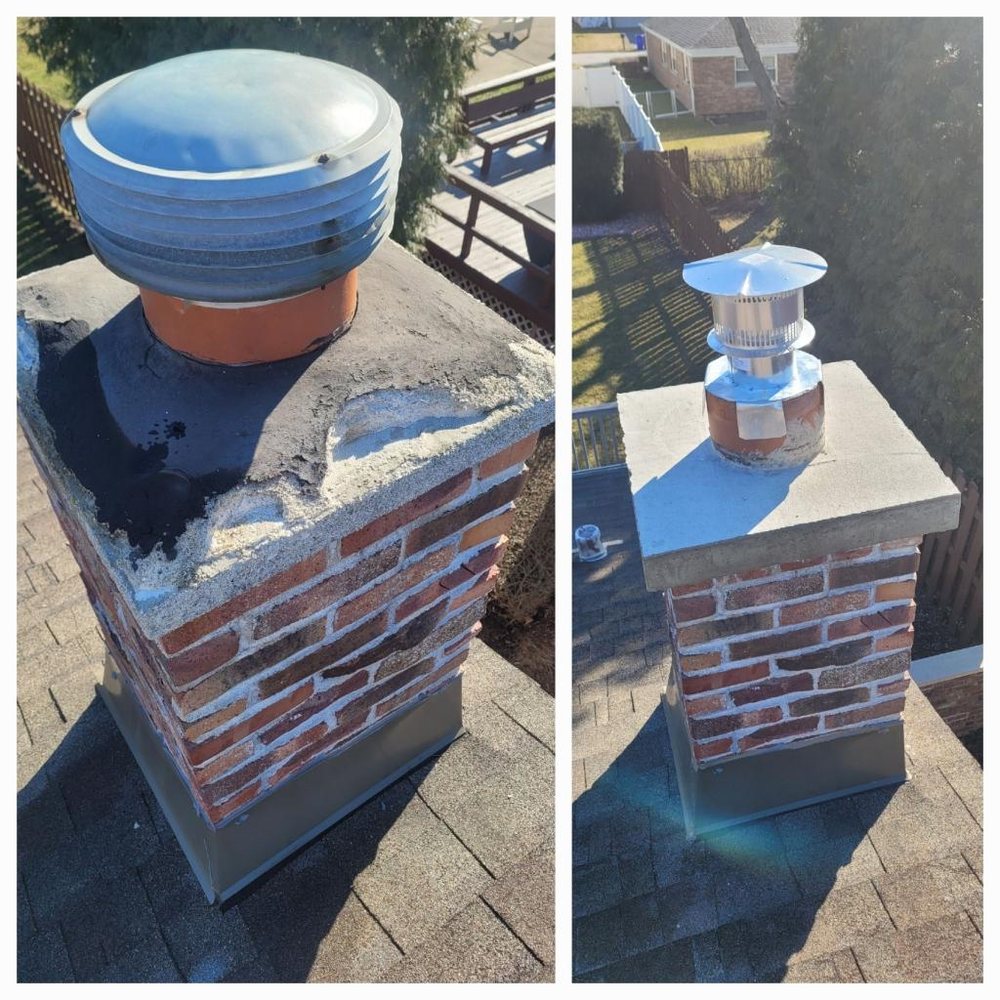
Masonry holds water
Brick and mortar are porous. They take in moisture from humid air, from rain driven against the chimney, and from the ground below, and they release it slowly. Through a Triangle summer the air stays humid enough that a chimney rarely gets the chance to dry out completely.
That is not a problem on a sound chimney. It becomes one where water can get in faster than it can leave: a hairline crack in the crown, a soft mortar joint, a flashing that has pulled away from the roof. Water entering those places sits inside the structure rather than on it.
The unused flue
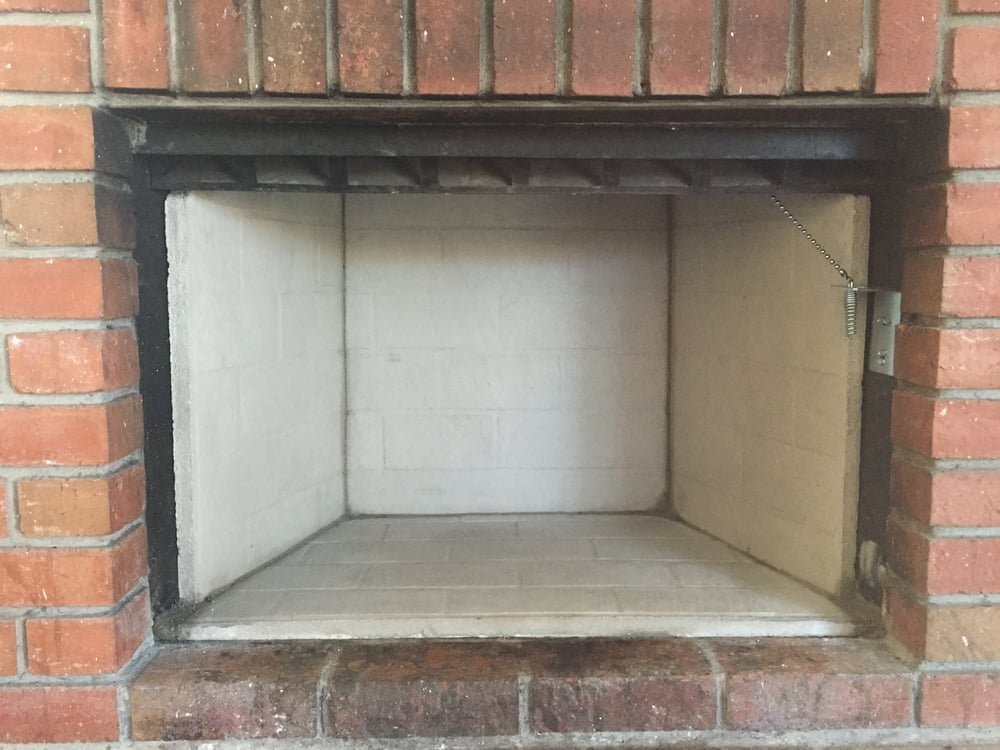
A flue that has no fire in it for months is a cool, still, sheltered space. Moisture condenses on the walls, and the deposit left from last winter holds it. That combination is what produces the musty smell people notice in the summer, and it is the reason a fireplace can smell worse in July than it ever did in January.
Nests make it worse. Birds and small animals look for exactly that kind of shelter, and a nest at the top of a flue blocks the small amount of air movement that would have dried it out. By the time the weather turns, the flue is holding both moisture and debris.
Crowns, flashing and the water path
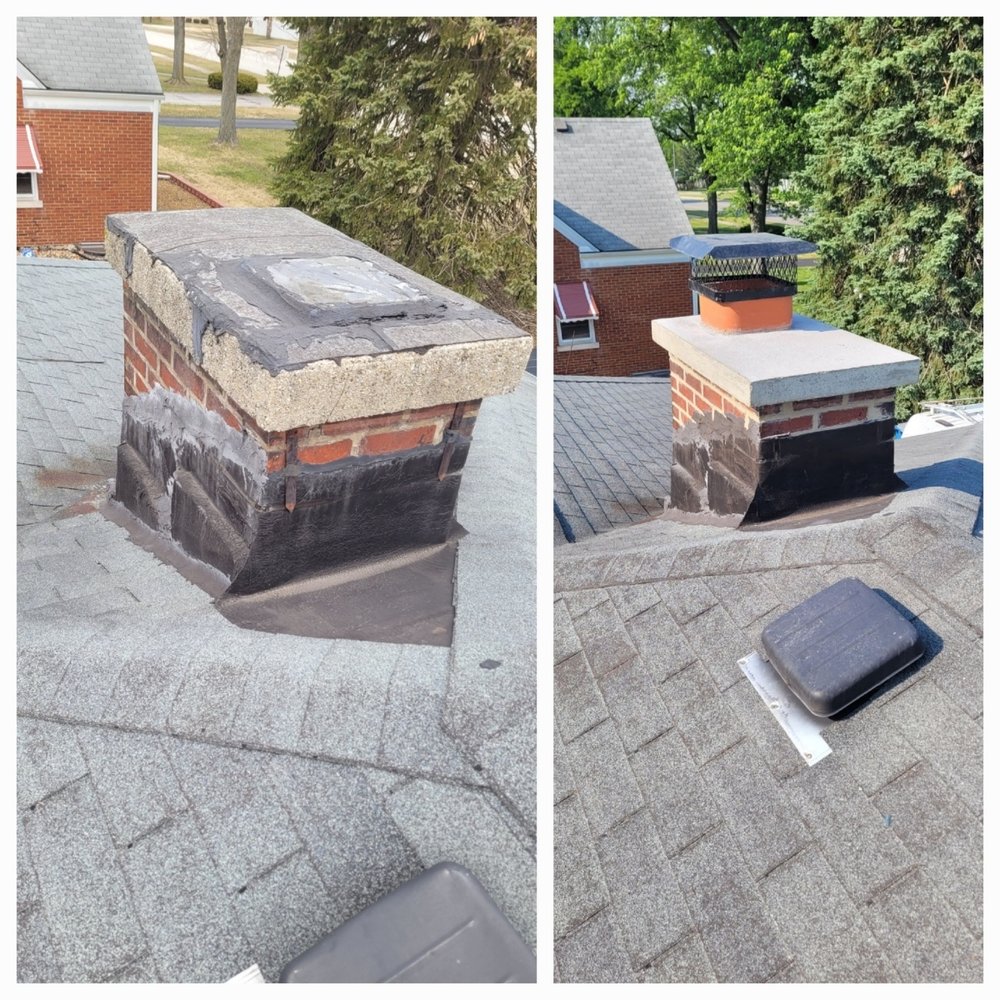
The crown is the concrete cap on top of a masonry chimney, and its job is to shed water away from the brick below. A crown that has cracked stops doing that. Water runs into the crack, freezes on a cold night, widens it, and the cycle repeats until the top of the chimney is saturated.
Flashing is the metal where the chimney meets the roof. It moves with the house through temperature changes, and over time the sealant behind it can let go. Water that gets in at the flashing often shows up somewhere else entirely, which is why a ceiling stain and a chimney can be the same problem.
Ductwork in a humid house
Air conditioning dries the air inside a house, but the ductwork does not always stay dry. Ducts in a vented attic or a crawl space sit in humid air, and cool duct surfaces can collect condensation through the summer. Damp dust on a duct wall is stickier than dry dust, and it holds on through the heating season too.
That is one reason a musty smell shows up when the system starts and fades once it has been running. The smell is coming from the system, not from the room, and cleaning the ducts is what removes it.
Dryer vents and long runs
A dryer vent carries warm, moist air out of the house, which makes it the one duct that is damp by design. In a humid summer, lint in a long run can stay damp between loads, and damp lint clings to the duct wall instead of blowing clear.
Roof exits are the ones to watch here. A long run up through the attic, a hood that does not open fully, and a season of humidity is how a vent that was fine in spring becomes restricted by fall.
What to check before the first fire
Before the first fire of the season, have the flue looked at and swept if it needs it. That clears the summer's debris and the deposit from last winter together, and it is the moment when a crown, cap or flashing problem is easiest to see from the roof.
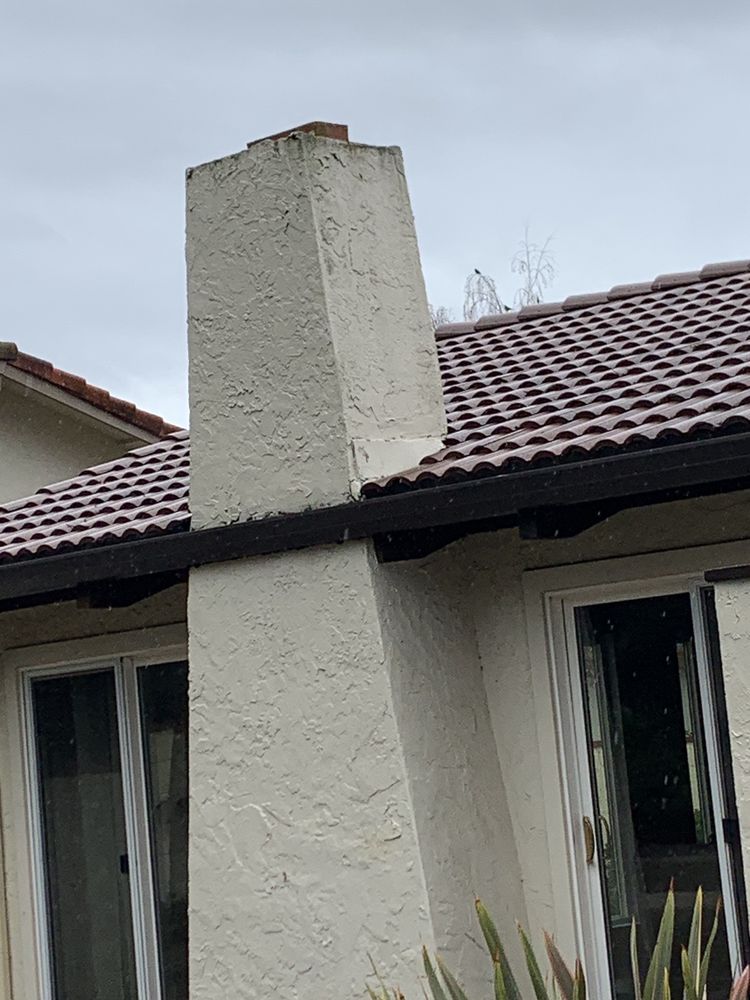
It is also worth looking at the outside of the chimney from the ground: cracked or flaking brick, crumbling mortar, rust at the flashing, or a cap that has shifted. Those are the visible signs that water has been getting in, and they are cheaper to deal with in the fall than after a winter of freezing and thawing.
Small habits that help
A cap with a screen keeps rain and animals out of the flue and still lets the chimney breathe, and it is the simplest thing you can do for a masonry chimney in a humid climate. Keeping the damper closed when the fireplace is not in use also stops humid house air from rising into a cool flue and condensing on the walls.
Running the air conditioning through the summer helps the ductwork in the same way, because a closed, dehumidified house keeps less moisture in the air that reaches the returns. None of that replaces a look at the roof and the crown, but it slows the wear between visits.
Common questions
Why does my chimney smell musty in summer?
An unused flue stays cool and still, so moisture condenses on the walls and the deposit from last winter holds it. Nests and debris make it worse by blocking air movement.
Does humidity damage a chimney?
It does where water can get in and stay in. A sound crown and flashing shed it; a cracked crown or loose flashing lets it into the masonry, where freezing and thawing widen the damage.
When should I book a fall sweep?
Late summer or early fall is the practical window. It clears the summer's debris before the first fire and leaves time to deal with anything found on the roof.
Request an Estimate
Tell us what you are seeing and we will follow up with a time. We are open Sunday through Friday 8 AM to 5 PM and Saturday 9 AM to 5 PM.